The bedroom is the one room you want to feel calm in at the start and the end of every day, and wall color does more to set that mood than almost anything else. The good news is that the best bedroom paint colors follow a few simple rules. This guide covers the shades that work best in bedrooms, how light and room size change them, and how to test a color before you commit to four walls.
The best paint colors for a bedroom
Soft blue
Blue is the classic bedroom color for a reason: muted, slightly grey blues read as quiet and restful. Choose a shade with a touch of grey or green in it rather than a bright primary blue, which can feel cold. Soft blue works especially well in south-facing rooms, where warm daylight balances its cool tone.
Sage and muted green
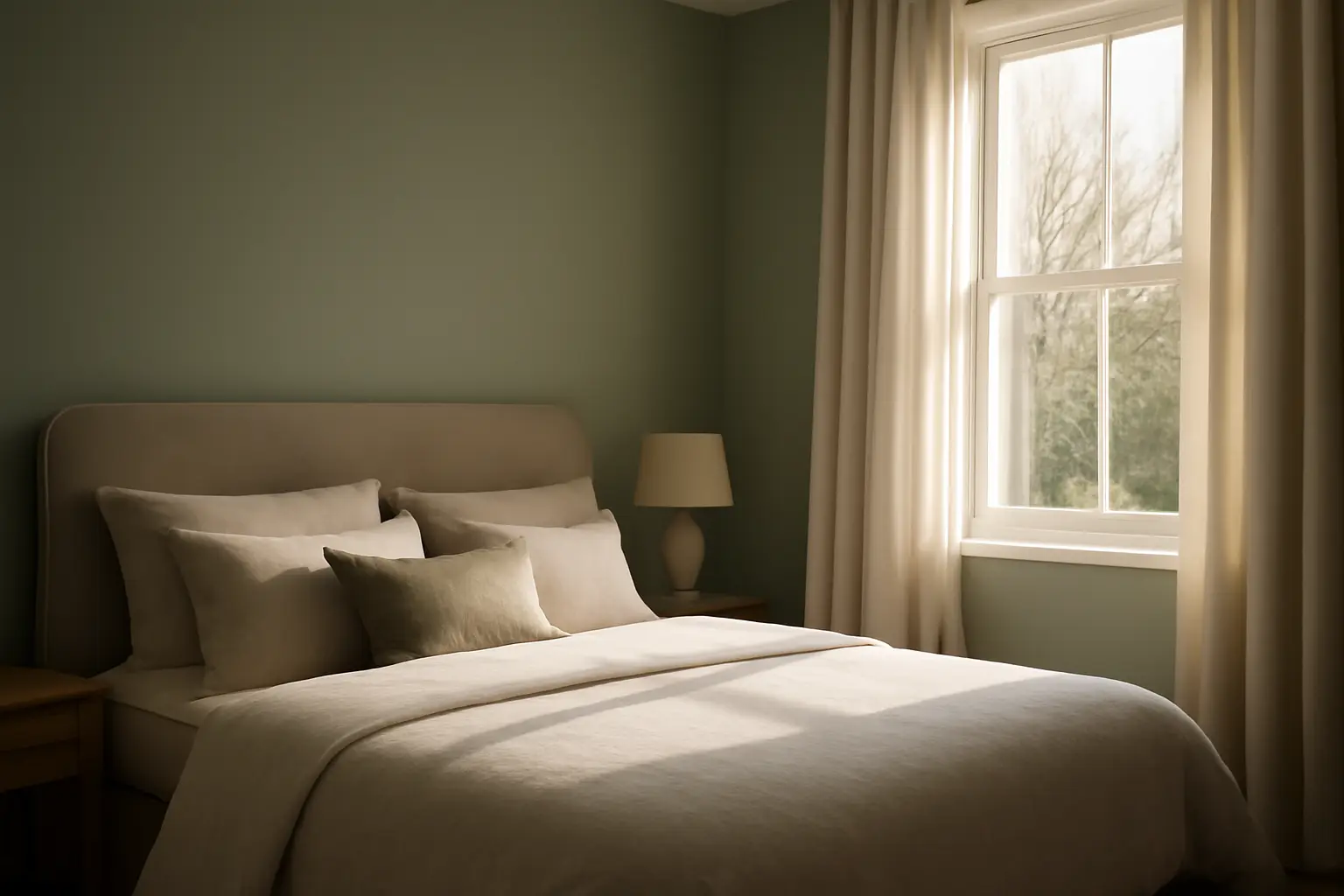
Greens with a grey undertone — sage, eucalyptus, olive — have become one of the most popular bedroom choices. They feel natural and calm, pair easily with wood furniture and white bedding, and hide the small marks that pure white shows.
Warm white and cream
If you want a light, airy room, choose a white with a warm undertone rather than a stark brilliant white. Warm whites look soft under evening lamps, while cool whites can turn grey and flat in a north-facing bedroom.
Greige and warm neutrals
Greige — a mix of grey and beige — is the safe choice that rarely looks wrong. It works with almost any furniture and flooring, suits both small and large rooms, and lets you change the mood with bedding and curtains instead of repainting.
Muted lavender and dusty pink
Soft, greyed purples and pinks add warmth without being sugary. Kept muted, they feel grown-up and cosy; go too saturated and they quickly become loud. They work well on a single feature wall behind the bed.
Deep navy, charcoal and forest green
Dark colors can be surprisingly restful in a bedroom, which is mostly used in the evening and at night. A deep shade makes the room feel enveloping and hotel-like. Use it on all walls in a room with good light, or on the wall behind the headboard if the room is small or dark.
Colors to use carefully
Bright red, orange and strong yellow are energising, which is the opposite of what most people want before sleep. If you love them, bring them in through cushions, throws or art rather than whole walls. Very cool, stark whites can also make a bedroom feel clinical.
How light changes a color
The same paint can look completely different from one room to the next:
- North-facing rooms get cool, even light. Warm colors — creams, warm greys, greens with a yellow base — stop the room from feeling cold.
- South-facing rooms get warm light for most of the day, so cooler blues and greens stay fresh rather than drab.
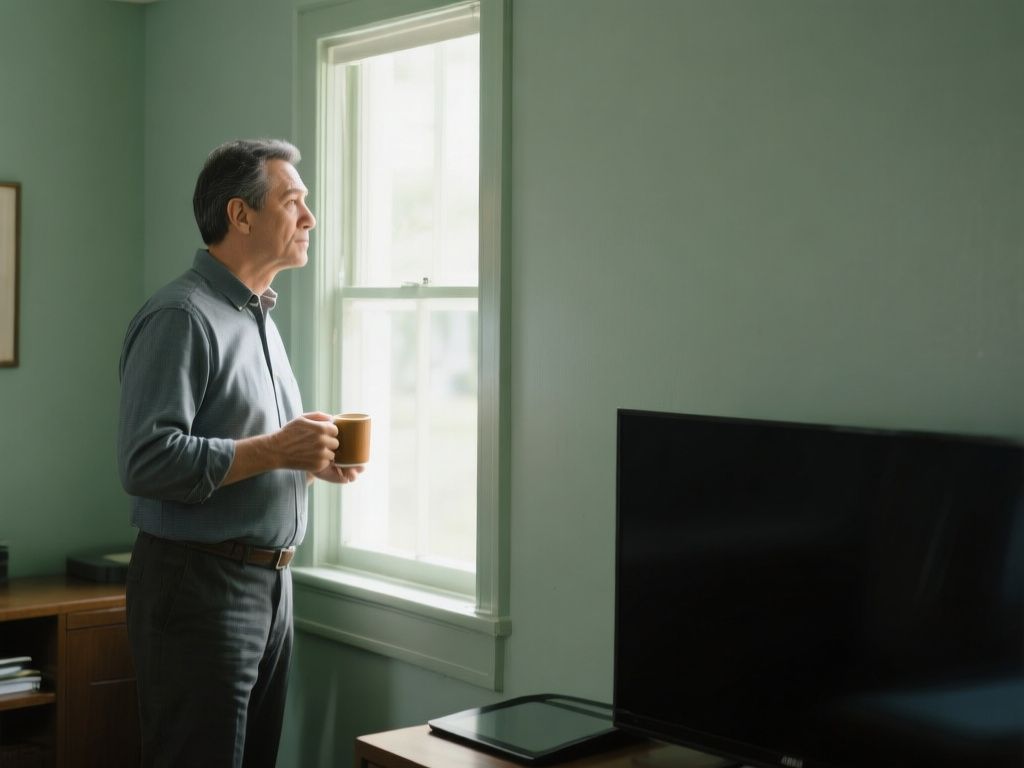
- East- and west-facing rooms change through the day. Check the sample in the morning and in the evening, when you will actually use the bedroom.
- Artificial light matters too: warm-white bulbs push colors towards yellow, cool-white bulbs towards blue.
Small bedroom? Keep it light — or go boldly dark
Light colors reflect more light and make a small room feel larger, especially if the ceiling and trim are painted in a matching or slightly lighter shade. The opposite approach also works: a single deep color on the walls blurs the corners and makes a small room feel cosy rather than cramped. For more ideas, see our guide to the best paint colors for small spaces.
Which finish to use in a bedroom
Matte and eggshell are the usual choices for bedroom walls. Matte hides wall imperfections and gives the softest, most velvety look; eggshell has a slight sheen and is easier to wipe clean, which helps in a child’s room. Keep satin or semi-gloss for doors and trim. Our article on paint finishes explained compares all five sheens in detail.
How to test a color before you commit
- Narrow your choice to two or three shades — more makes the decision harder, not easier.
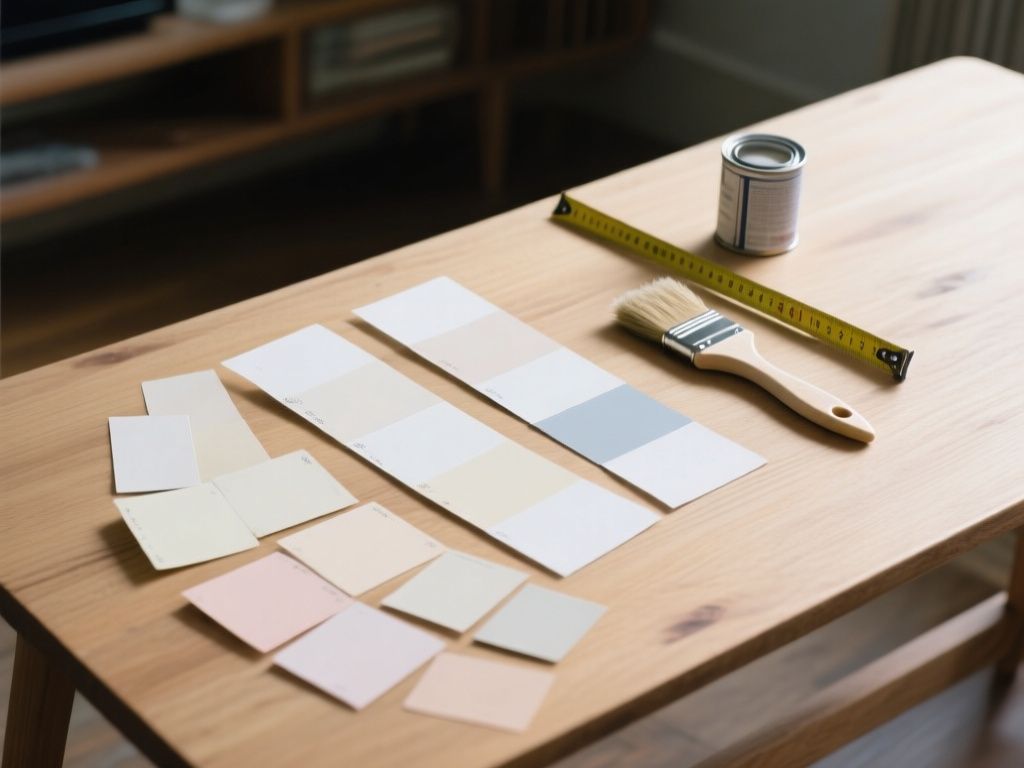
- Paint large samples, at least A4 size, on two different walls, or use sample boards you can move around.
- Look at them in morning light, afternoon light and in the evening with the lamps on.
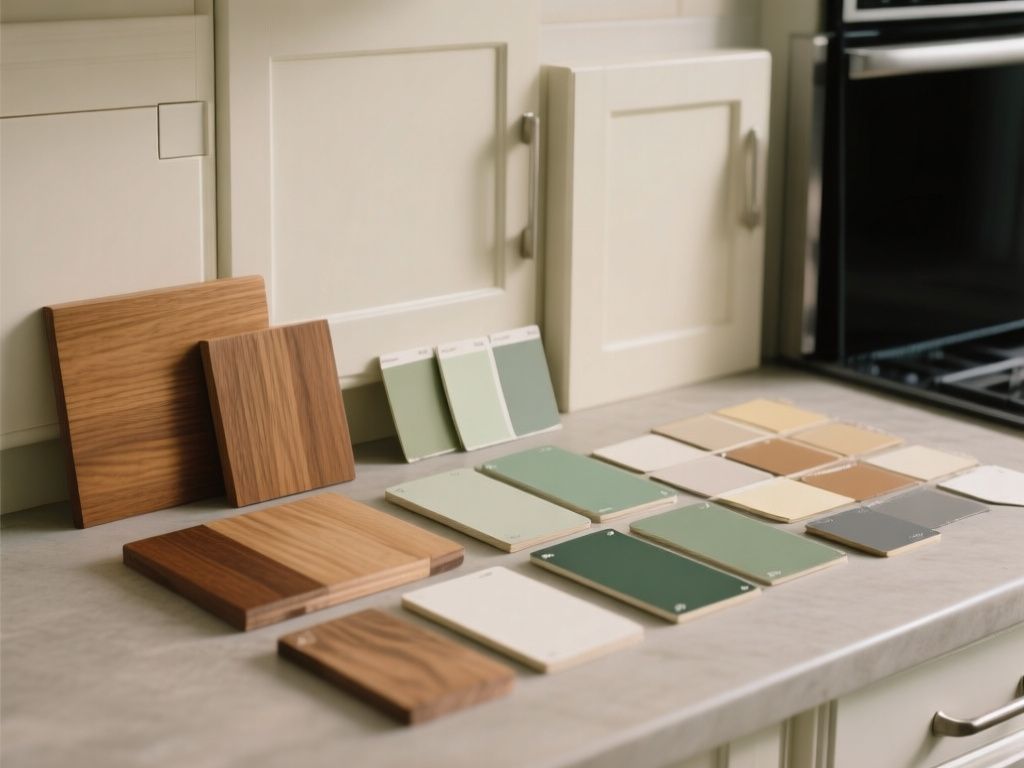
- Check them next to your bedding, flooring and furniture, not against a white wall.
- Live with them for two or three days before deciding.
Our tips on testing paint samples explain how to avoid the most common mistakes with swatches.
Trends versus timeless choices
Trend colors can look fresh, but a bedroom is repainted less often than most rooms. A good compromise is a timeless base — warm white, greige, soft blue or sage — with trend colors in textiles and accessories that are easy to change. If you want inspiration, look through this year’s interior paint color trends and pick the muted, livable ones.
Quick answer
If you only want one recommendation: a soft, slightly greyed blue or sage green in a matte or eggshell finish suits most bedrooms. In a north-facing room, choose a warm white or greige instead. Always test on your own walls before buying the full quantity.
Read also
- Best Paint Colors for Small Spaces
- Tips on Testing Paint Samples and Choosing Colors Based on Lighting
- How to Choose Paint Colors
- Painted living room ideas: transforming spaces with color
- Paint Finishes Explained: Matte, Eggshell, Satin, Semi-Gloss and Gloss
- Interior Paint Colour Trends Worth Trying This Year