Sheen level changes how a wall looks and how it behaves in daily use. The same colour painted in matte and in gloss can read as two different shades entirely, because reflectance affects how light bounces off the surface. Before picking a colour, it helps to understand what each finish actually does — because the finish decides how forgiving, washable, and bright a wall will feel.
What Sheen Actually Means
Paint finishes are ranked by how much light they reflect. Matte sits at the very bottom of that scale, absorbing and scattering light rather than bouncing it back. Depending on the manufacturer’s measuring method, matte is often rated somewhere around 1–2% reflectance, or 5–7%, while a deep matte formula can measure as low as 2–5 GU. These numbers vary between brands, but the practical result is the same: matte paint produces a soft, non-reflective surface with no glare.
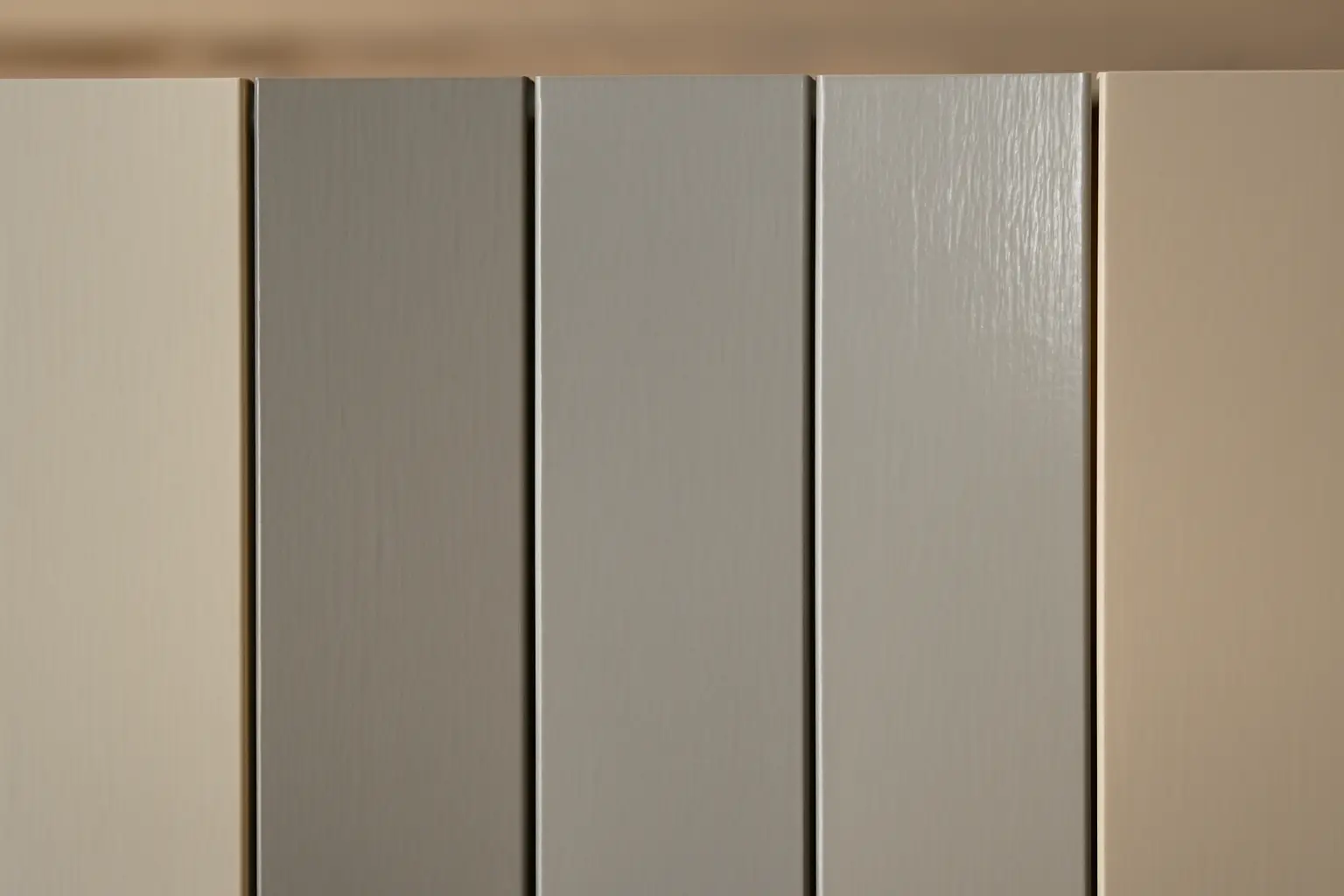
Moving up the scale, satin has a gentle, low-key sheen, semi-gloss is noticeably shinier and reflects more light, and gloss sits at the top as the most reflective option of all. Eggshell falls between matte and satin, offering a slight sheen without much shine.
Residential Wall Paint Types and Their Benefits
Each finish suits different rooms and different walls, largely because of how it handles light and wear.
- Matte — best for living rooms, bedrooms, and ceilings. Because it doesn’t reflect glare, matte is especially good at hiding small wall defects, scratches, and unevenness, which makes it a practical choice for older walls or rooms with imperfect plaster.
- Eggshell — a step up in durability from matte, with a soft low sheen that suits hallways and dining rooms.
- Satin — a soft, mid-level sheen that works well in family rooms and kids’ bedrooms, where some wipeability is useful but a flat look is still preferred.
- Semi-gloss — more reflective and more resistant to moisture, often chosen for trim, doors, and cabinetry.
- Gloss — the most reflective finish, typically reserved for small areas like doors, mouldings, or accent panels rather than full walls.
A common practical rule follows from this: use matte for the main wall surface and gloss for accents. Combining different finishes in the same colour is a recognised way to add contrast and visual depth to a room without introducing a second colour at all.
Tips for Kitchen Painting
Kitchens deal with grease, splashes, and constant wiping, so the finish matters as much as the colour. Semi-gloss is a frequent choice for kitchen walls because it’s more reflective and holds up better against cleaning than a flat matte surface would. Matte can still work on a kitchen ceiling or in a dining nook that’s away from the cooking zone, where scrubbing isn’t a daily concern. For cabinets, a semi-gloss or gloss finish tends to make sense, since it withstands handling and is easier to wipe down than a low-sheen paint.
Bathrooms Need a Different Approach
Bathrooms should be painted with a special kind of paint that can cope with moisture and condensation, and the finish plays a direct role in that. Satin and semi-gloss are the usual candidates here, since their surface sheds water more easily than a flat matte finish. A fully matte wall in a steamy bathroom is more likely to show moisture damage over time, simply because the surface isn’t built to shed water the way a satin or semi-gloss coat is.
Choosing the Best Brands of Interior Paint
Sheen ratings aren’t identical across manufacturers — one brand’s “matte” might sit at a different reflectance level than another’s, and the same is true further up the scale for satin and semi-gloss. This is worth checking directly on a paint’s technical sheet or sample card, since GU (gloss unit) or percentage reflectance figures give a clearer picture than the label name alone. Testing a sample patch on the actual wall, under the room’s real lighting, remains the most reliable way to judge how a specific brand’s finish will look before committing to a full room.
How to Choose Paint Colors
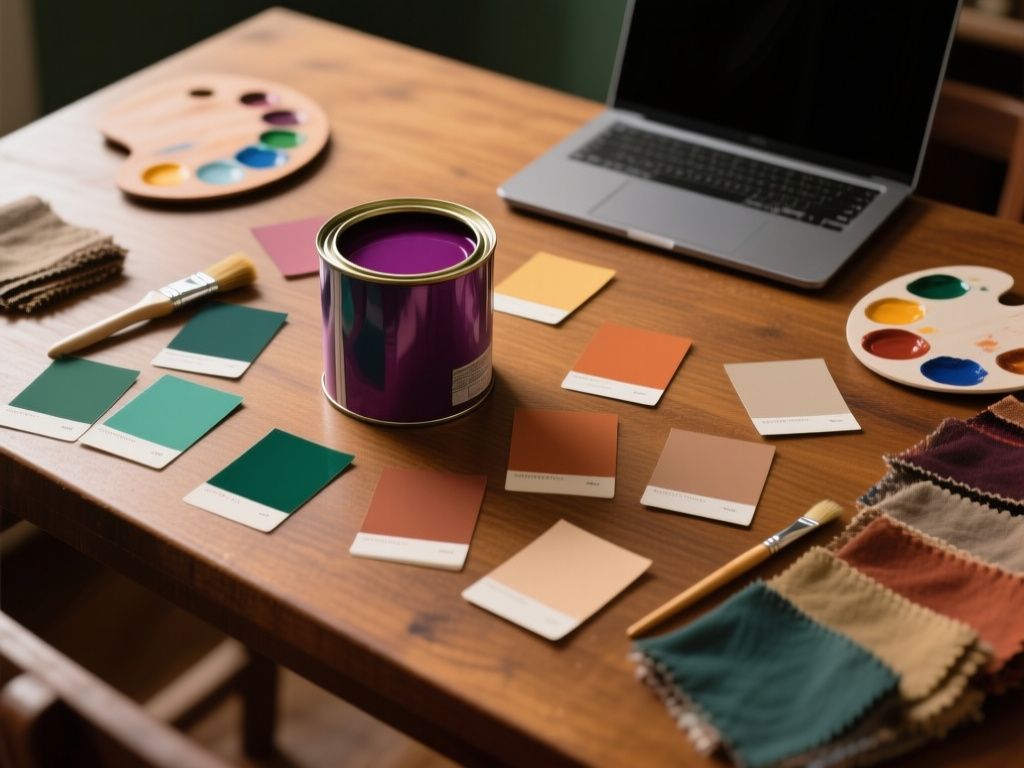
Finish and colour are linked more closely than they might seem. The same colour can look darker and more saturated in gloss than in matte, because gloss bounces light back at the viewer while matte absorbs it. When testing colours, it’s worth looking at the same shade in at least two sheen levels — for example, matte on the main wall and satin or semi-gloss on trim — since gloss is more likely to emphasise texture and imperfections than matte does. This is part of why gloss is often used sparingly, on accents and details, rather than across large or uneven wall surfaces.
Quick Reference
| Finish | Sheen level | Best used for |
|---|---|---|
| Matte | Very low (roughly 1–7%, or 2–5 GU deep matte) | Living rooms, bedrooms, ceilings, imperfect walls |
| Eggshell | Low-slight sheen | Hallways, dining rooms |
| Satin | Soft sheen | Family rooms, bathrooms, kids’ rooms |
| Semi-gloss | Noticeable shine | Kitchens, trim, bathrooms, cabinetry |
| Gloss | Highest reflectance | Doors, mouldings, accent details |
Final Thought
There’s no single “correct” finish — only the right match for a given wall, room, and level of wear it will face. Matte suits calm, low-traffic surfaces and hides flaws; gloss draws the eye and highlights detail, which is exactly why it works better in small doses than across an entire room. Once the finish is settled, choosing the colour becomes a much simpler decision.
Read also
- Residential Wall Paint Types and Their Benefits
- Choosing the Best Brands of Interior Paint
- Tips on Testing Paint Samples and Choosing Colors Based on Lighting
- How to Choose Paint Colors
- Tips for Kitchen Painting