Picking kitchen paint colors is harder than picking colors for any other room, because a kitchen has to deal with grease, steam, strong light changes, and cabinets, tile, or countertops that are already fixed in place. The right shade can make a cramped galley kitchen feel wider or a bland open-plan kitchen feel finished. This guide walks through colors that hold up well in kitchens of different sizes and styles, and how to match them with cabinets you already have.
What Makes a Color Work in a Kitchen
Before choosing a shade, it helps to know what separates a good kitchen paint color from a color that looks good on a swatch but wrong on the wall.
- Light exposure — north-facing kitchens read cooler and need warmer paint to balance them; south-facing kitchens can handle cooler, crisper tones.
- Finish — eggshell or satin finishes resist grease and steam better than flat matte, and they wipe clean more easily.
- Fixed finishes — countertops, backsplash tile, and flooring don’t change as often as paint, so the wall color should respond to them, not the other way round.
- Room size — small kitchens generally benefit from lighter, less saturated colors; larger kitchens can take on deeper or bolder shades without feeling closed in.
Kitchen Paint Colors for Small Kitchens
In a tight kitchen, color choice affects how open or boxed-in the space feels. Light, low-contrast shades tend to work best because they don’t create hard visual stops between wall and ceiling.
- Soft white — not stark white, but an off-white with a faint warm or grey undertone, which avoids looking clinical under artificial light.
- Pale grey-green — reads as neutral in daylight and gives a small kitchen some personality without overwhelming it.
- Light greige — a grey-beige blend that pairs easily with most cabinet tones and doesn’t compete with countertops.
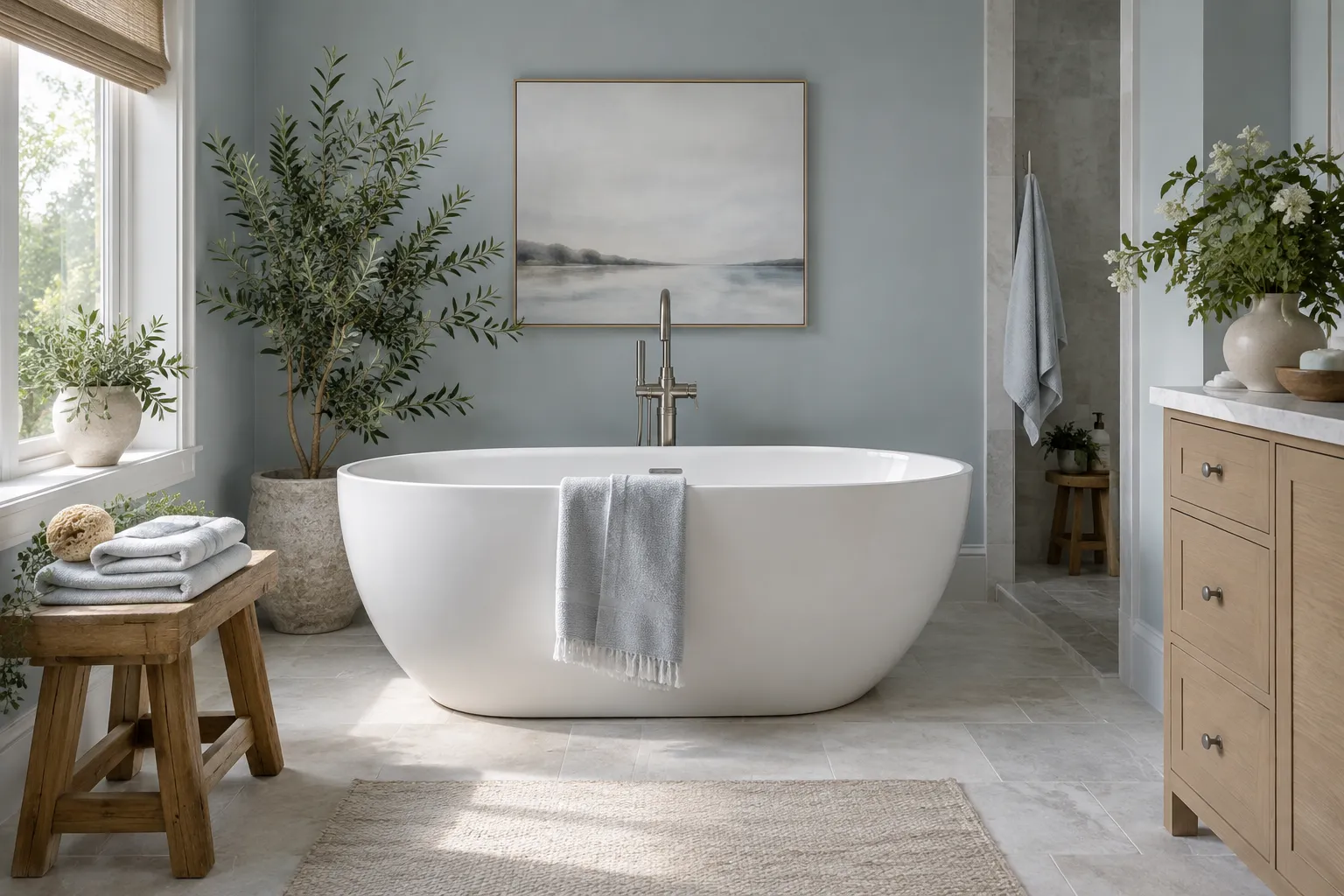
- Muted blue-grey — cool enough to open up the space, but not so cold that it feels unwelcoming.
Matte or heavily textured finishes tend to absorb light and shrink a small room visually, so stick with eggshell or satin here.
More on this: How to Choose Paint Colors and How to Paint Your kitchen Cabinets.
Kitchen Paint Colors for Large or Open-Plan Kitchens
Bigger kitchens, especially ones that open into a living or dining area, can take bolder decisions because there’s more wall and more distance for the eye to adjust.
- Deep navy or charcoal — works well on an island or a single accent wall, grounding an otherwise open layout.
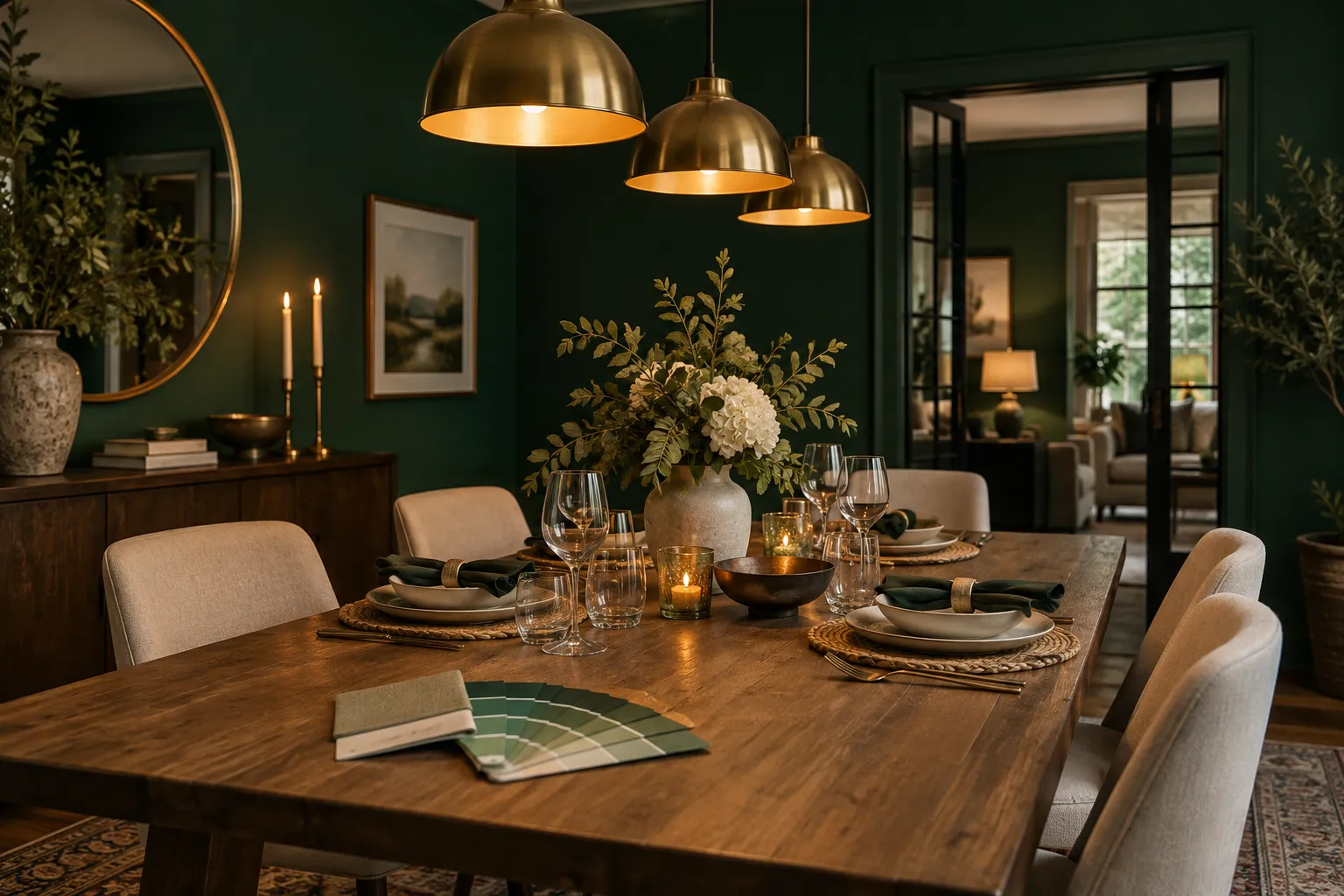
- Olive or sage green — a popular choice in recent years for cabinetry or lower walls, pairing naturally with wood and brass accents.
- Warm terracotta — suits kitchens with natural light and stone or wood surfaces, adding warmth without feeling trendy for the sake of it.
- Classic cream — still one of the safest large-kitchen choices, especially where the kitchen needs to flow visually into neighbouring rooms.
In open-plan spaces, it’s worth testing the color in both the kitchen and the adjoining room before committing, since lighting conditions often differ between the two.
Kitchen Paint Colors with White Cabinets
White cabinets are the most flexible base in kitchen design, but they can also make wall color choices tricky because the slightest clash in undertone shows up quickly.
- Soft grey — a reliable pairing that keeps the kitchen looking current without fighting the white cabinets for attention.
- Pale blue — gives a clean, airy feel and works particularly well with white cabinets and stainless steel appliances.
- Blush or dusty pink — adds warmth to an otherwise cool white-and-grey palette without becoming overpowering.
- Deep green or navy — used on a single wall or island, this creates contrast while letting the white cabinetry stay the visual anchor.
The key with white cabinets is matching undertones: a cool white cabinet against a warm wall color (or the reverse) can look slightly off, even if neither color is wrong on its own.
Kitchen Paint Colors with Oak Cabinets
Oak cabinets, particularly older honey-toned or orange-toned oak, are harder to work around than white cabinets because the wood itself carries a strong undertone.
- Warm white or cream — softens the contrast between oak and wall without clashing with the wood’s yellow undertone.
- Sage or olive green — a natural partner for oak, since both sit in the same earthy color family.
- Deep teal — works surprisingly well with honey oak, cooling down the warmth of the wood rather than fighting it.
- Soft terracotta or clay — leans into the warmth of oak instead of trying to counteract it, giving the kitchen a cohesive, grounded look.
Cool, stark colors like icy blue or pure white tend to clash with oak’s warm undertone and make the cabinets look dated rather than classic.
How to Choose a Paint Color for Your Kitchen
With so many options, narrowing down a final choice comes down to a short, practical process rather than guesswork.
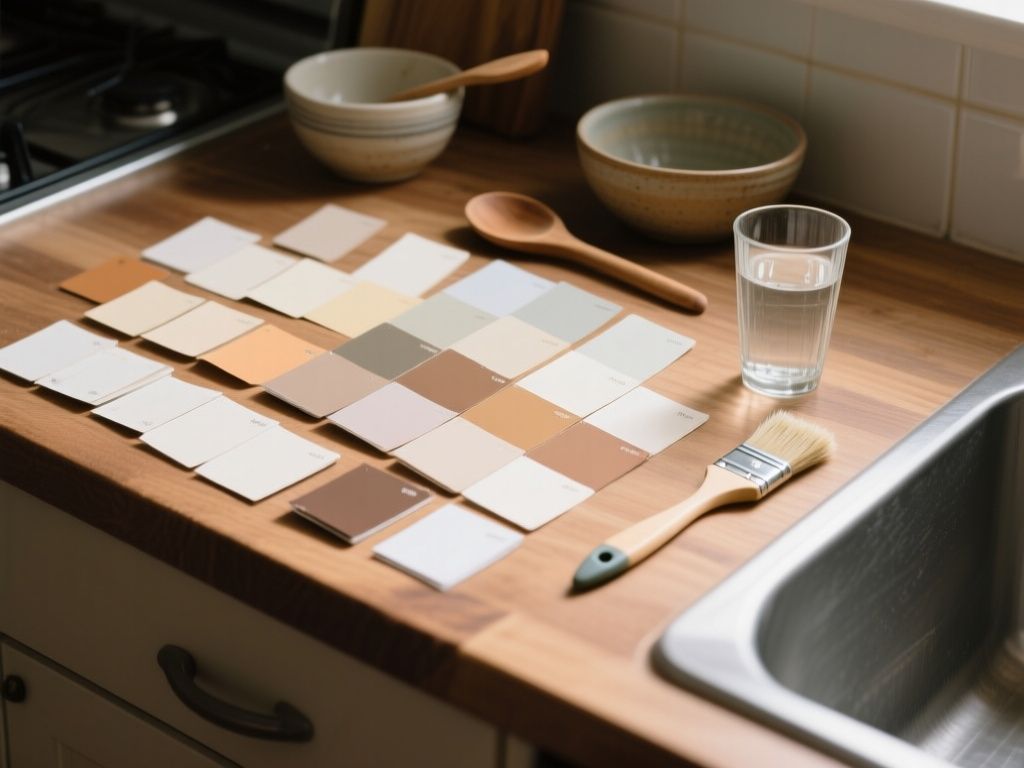
- Start with what’s fixed — countertops, backsplash, and flooring aren’t changing, so build the color plan around them first.
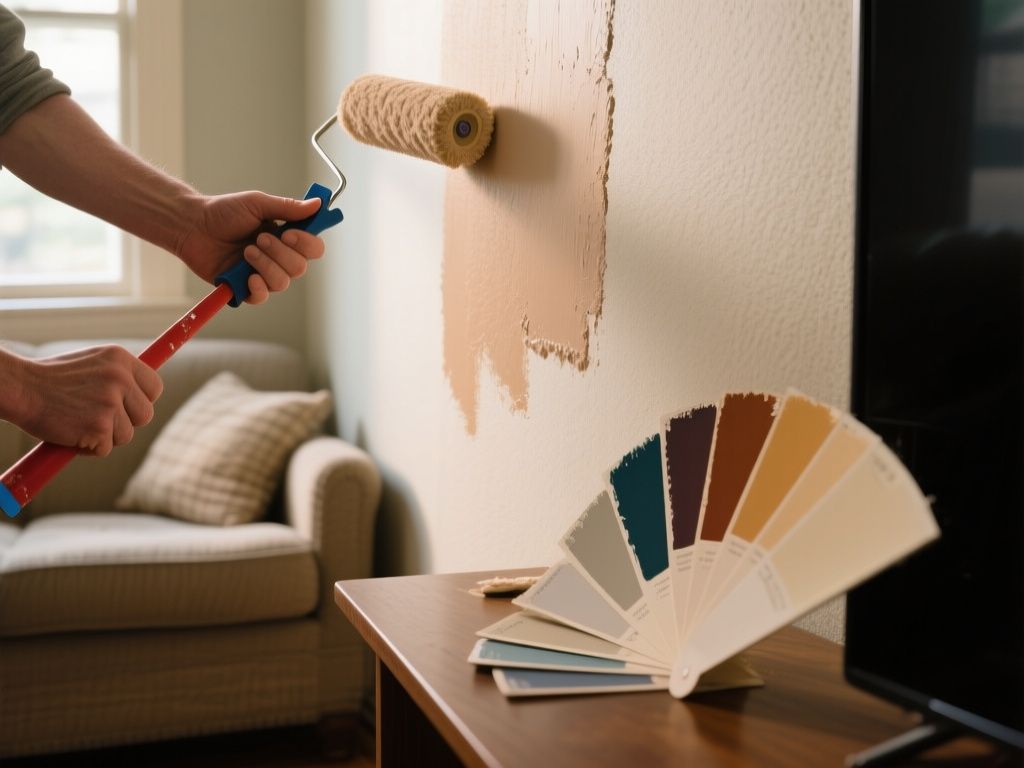
- Test in the actual room — paint large swatches directly on the wall and check them at different times of day, since kitchen lighting shifts more than in other rooms due to overhead fixtures and task lighting.
- Check the undertone against cabinets — hold a swatch next to the cabinet door in daylight to see if the tones genuinely agree.
- Think about maintenance — kitchens near stoves and sinks need washable finishes, so factor that into the final choice, not just the color itself.
- Consider the whole sightline — if the kitchen is visible from another room, check how the color reads from that distance and angle too.
Final Thoughts
There’s no single “correct” kitchen paint color — the right one depends on the room’s size, the direction it faces, and the cabinets already in place. Testing a shade directly on the wall, in the kitchen’s actual light, remains the most reliable way to avoid a mismatch once the whole wall is painted.
Read also
- Best Paint Colors for Bedrooms: How to Choose the Right Shade
- Best Living Room Paint Colors That Work With Grey Furniture
- Living Room Paint Colors for Every Style, From Cozy to Modern
- Best Paint Colors for Small Spaces
- Tips on Testing Paint Samples and Choosing Colors Based on Lighting
- A Guide to Matching Paint Colors Already on Your Wall